

Fresh Roasted Coffee Delivery Timeline Explained
Last Updated: October 23, 2026
Quick Summary
A fresh roasted coffee delivery timeline runs about 4 to 10 business days from order to doorstep for a roast-to-order roaster, including 1-2 days processing, 1-3 days roasting, and 2-5 days carrier transit. The biggest variable is whether your order makes the next roast day, since missing the cutoff can add four or five calendar days.
- Whole bean coffee stays at its best for about 2 to 4 weeks after the roast date.
- Espresso needs 7 to 14 days of rest post-roast, pour-over 5 to 10 days, and French press 4 days and up.
- Store beans in an airtight, opaque container at room temperature, away from light, heat, and moisture.
- Check the roast-day schedule, order cutoff, and carrier pickup days before ordering to predict delivery.
- If a bag arrives with a roast date 3 or more weeks old, contact the roaster.
Table of Contents
- Why the Fresh Roasted Coffee Delivery Timeline Matters
- From Order to Roast: How Roast-to-Order Coffee Works
- How Long Coffee Is Good After Roasting
- Fresh Roasted Coffee Shipping Time: What to Expect
- The Best Time to Brew Coffee After Roasting
- How to Store Whole Bean Coffee After Delivery
- When Your Coffee Arrives Early, Late, or Past Its Prime
- Conclusion
- Frequently Asked Questions
Why the Fresh Roasted Coffee Delivery Timeline Matters
That is why we roast to order at Goodest coffee company. Nothing sits in a warehouse waiting for a buyer.
Here is the part most guides skip. A bag can carry a "best by" date and still be weeks old.
Below, we break down every stage of the journey, so you know exactly what to expect and when to brew.
From Order to Roast: How Roast-to-Order Coffee Works
Roast-to-order means your beans are roasted after you order them, not before.
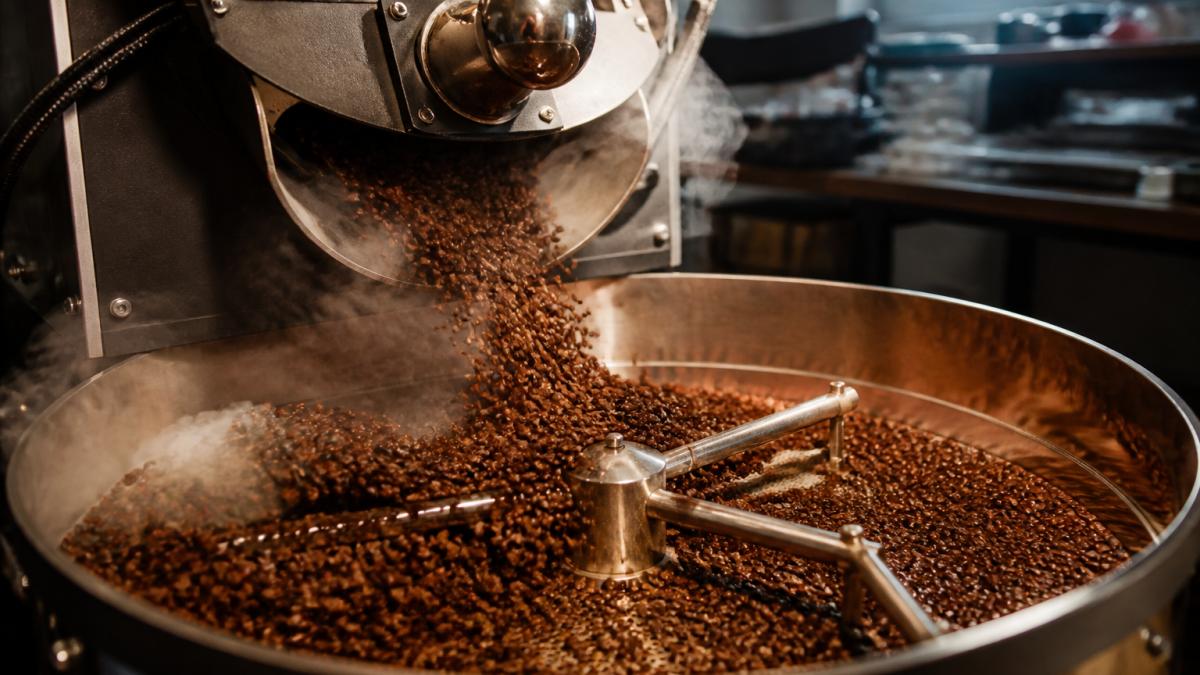
The typical sequence looks like this:
- Order placed: your beans enter the roast queue
- Roasting day: a small batch hits the drum roaster
- Cooling and rest: beans cool, then rest briefly before packing
Most small-batch roasters roast on set days each week. Order just after a roast day and your coffee may wait a few days.
That is the trade-off. You wait a little longer than a grocery run, and you get coffee at its peak instead of its tail end.
How Long Coffee Is Good After Roasting
Whole bean coffee stays at its best for about 2 to 4 weeks after the roast date. After that, flavor and aroma fade slowly. Ground coffee fades much faster, often within days.
Here is the rough arc:
- Days 1 to 3: beans release gas heavily; brewing can taste flat
- Days 4 to 14: peak flavor window for most roasts
- Weeks 2 to 4: still very good, with aroma softening
Light roasts tend to hold their character a bit longer than dark roasts. Darker beans carry more surface oils, which fade faster once exposed to air.
Fresh Roasted Coffee Shipping Time: What to Expect
Fresh roasted coffee shipping time usually runs 2 to 5 business days for domestic ground shipping once the package is in the carrier's hands. The number most buyers actually care about is order-to-doorstep, and that is longer because roasting and processing happen first. A realistic total for a roast-to-order roaster is about 4 to 10 business days, with the low end going to nearby addresses and orders placed before the roast-day cutoff.
Here is the stage-by-stage breakdown to plan around:
| Stage | Typical Time | What Happens |
|---|---|---|
| Order processing | 1-2 business days | Order confirmed, added to the next roast queue |
| Roasting | 1-3 business days | Beans roasted in small batches on a set schedule |
| Packing and dispatch | Same day or next day | Bag valve-sealed, labeled with roast date, handed to carrier |
| Carrier transit (ground) | 2-5 business days | Package moves through the carrier network |
| Order to doorstep | About 4-10 business days | Realistic planning window |
Order cut-off times and roast-day scheduling
The single biggest variable is not transit speed, it is whether your order makes the next roast day. Most small-batch roasters roast on two or three fixed days per week and hand packages to the carrier on a fixed pickup schedule. That creates two cutoffs you need to know:
- Roast-day cutoff: the time by which an order must be placed to be included in the next roast. Miss it and your beans wait for the following roast day.
- Carrier pickup cutoff: the time by which a packed order must be ready for the carrier to pick it up that day. A bag packed after pickup sits until the next business day.
A common pattern is a Monday/Wednesday roast schedule with carrier pickup the same afternoon. Under that schedule, an order placed Tuesday morning roasts Wednesday and ships Wednesday; an order placed Wednesday afternoon roasts the following Monday. That single difference can add four or five calendar days to the total.
Weekends, holidays, and distance
- Weekends: carriers generally do not move ground packages on Sunday, and many do not pick up on Saturday. A Friday afternoon order that misses the roast cutoff often sits until Monday or Tuesday.
- Holidays: federal holidays and the days around them add one to three days. Plan around them if you are ordering for a specific brew date.
- Distance: a roastery two states away typically beats one across the country by one to two transit days on ground service. Expedited shipping shortens transit but does not shorten the roast queue.
Worked example: back-calculating your order date
Suppose you want to brew on a Saturday and you drink espresso, which needs the longest rest. Work backward:
- Target brew date: Saturday.
- Rest window for espresso: 7 to 14 days post-roast. Aim for at least 7 days, so you want the roast date to be no later than the prior Saturday.
- Transit: assume 3 business days. If the bag ships the same day it roasts, it lands about 3 business days after the roast date.
- Order date: place the order at least one roast cycle before the roast date you need, typically 5 to 8 business days before your target brew date for a two-roast-per-week schedule.
For pour-over, which is happy around 5 to 10 days post-roast, you can order closer to your brew date. For French press, which is forgiving from about day 4, the window is wider still.
The Best Time to Brew Coffee After Roasting
The best time to brew coffee after roasting is roughly 3 to 10 days after the roast date for most brewing methods, but that range is too wide to act on. The right number depends on three things: the brew method, the roast level, and how the beans were processed. Here is how to narrow it down.
Why resting matters: the degassing mechanism
Right after roasting, beans are full of carbon dioxide trapped in the cellular structure (Time-Resolved Gravimetric Method To Assess Degassing of Roasted Coffee). When hot water hits fresh beans, that gas pushes out and interferes with extraction, water channels around the grounds instead of through them, and the cup tastes flat, sharp, or uneven even from excellent beans. Resting lets the CO2 escape through the bag's one-way valve so water can extract evenly.
Resting time by brew method
- Espresso: 7 to 14 days post-roast. Espresso is the least forgiving because a pressurized shot amplifies any gas interference. Most practitioners find the sweet spot around day 10 for medium roasts.
- Pour-over (V60, Chemex, Kalita): 5 to 10 days. The pour-over's slower, more controlled extraction tolerates a little more gas than espresso but still rewards a rest.
- French press: 4 days and up. Full immersion and a metal mesh filter are forgiving of residual gas.
Resting time by roast level and bean type
- Light roasts often need a little more rest, sometimes 10 to 14 days for espresso, because the denser bean structure releases gas more slowly.
- Dark roasts degas faster and settle sooner, often within 4 to 7 days, but their surface oils fade faster once exposed to air, so the usable window is shorter on the back end.
- Natural-process beans (like a natural Ethiopia) tend to be fruitier and more aromatic early, and many drinkers prefer them in the 5 to 12 day window.
Worked example: calculating a bag's age on arrival
Say a bag arrives with a roast date of October 1 and you open it on October 8. That bag is 7 days old. For pour-over, it is in the window, brew it.
Now say the same bag arrives on October 20. It is 19 days old. It is still drinkable, but the brightness has softened. If you paid for fresh-roasted coffee, that is a freshness question worth raising with the roaster, see the troubleshooting section below.
How to Store Whole Bean Coffee After Delivery
Store whole bean coffee in an airtight, opaque container at room temperature, away from light, heat, and moisture. Keep the bag's one-way valve working, or transfer beans to a sealed canister.
Do this, and your beans hold their flavor through the freshness window.
A simple routine:
- Keep beans in the original valve bag or a sealed canister
- Store in a cool cupboard, not the fridge
- Keep away from the stove and sunny counters
The fridge and freezer are common mistakes. Fridge storage invites moisture and odors. Freezing can work for long storage, but only in a sealed bag with air pressed out, and only if you let beans thaw fully before grinding.
When Your Coffee Arrives Early, Late, or Past Its Prime
Sometimes the timeline bends. Here is what to do in each case.
Arrives too soon (day 1 or 2 post-roast). Let it rest. Open the bag, let beans degas a few days, then brew. Espresso drinkers should wait the longest.
Arrives late. Check the roast date first. If transit ran long but the roast date is recent, the coffee is fine.
Arrives past its prime. A bag with an old roast date is not what you paid for. A good roaster will make it right.
Planning around a trip or a slow month. Pause or adjust your subscription before you leave. A recurring order that ships while you are away wastes fresh coffee.
Conclusion
Getting fresh coffee to your door is a timing problem, and timing is where most subscriptions fall short. You deserve beans roasted for your order, shipped fast, and dated honestly.
That is what we built at Goodest coffee company. Our Whiskey Barrel Aged is aged 30 days in a bourbon barrel and then roasted to order. Our Ethiopia Natural brings milk chocolate, fruity, and caramel notes at its peak.


Ready for coffee that arrives at its best? Start your subscription with Goodest coffee company and taste the difference fresh makes.
Frequently Asked Questions
How long is coffee good after roasting?
Most coffee reaches peak flavor 3 to 14 days after roasting and stays good for roughly 4 to 6 weeks when stored in an airtight container away from light and heat. Whole beans hold up longer than pre-ground coffee because less surface area is exposed to oxygen. After about two months, the aromatic compounds fade noticeably and the cup tastes flat. Check the roast date on the bag, not a best-by date, to judge how fresh your coffee actually is.
How long does fresh roasted coffee take to ship?
Roast-to-order operations typically roast within 24 to 48 hours of your order, then dispatch within 1 to 2 business days. Domestic ground shipping usually adds 2 to 5 business days, so most bags land 3 to 7 days after roasting. Order cut-off times, weekends, and holidays can extend that window. A transparent roaster will stamp the roast date on the bag so you can calculate exactly how old the coffee is when it reaches your door.
Should coffee rest after roasting before brewing?
Yes, most beans benefit from a short rest. Freshly roasted coffee releases carbon dioxide in a process called degassing, which can make brews taste sharp or foamy. Wait 3 to 7 days after the roast date for drip and pour-over, and 7 to 14 days for espresso, which needs more time to settle. Medium and dark roasts degas faster than light roasts. If a bag arrives only a day or two off the roaster, give it a few more days before you judge the flavor.
How should you store whole bean coffee after delivery?
Keep whole beans in an opaque, airtight container at room temperature, away from the stove, sunlight, and moisture. Buy in amounts you will finish within 2 to 4 weeks. Skip the fridge, since condensation and food odors creep in, and skip the freezer unless you are storing a sealed bag for months, in which case thaw it fully before grinding. Grind right before brewing to preserve aroma. A bag with a one-way degassing valve helps freshly roasted coffee settle without going stale.
