

Best Coffee Subscription for Fresh Beans
Table of Contents
- What Makes a Coffee Subscription Deliver Fresh Beans
- Fresh Roasted Coffee Subscription Options by Roast Level
- Coffee Subscription for Whole Beans vs. Ground
- Espresso Coffee Subscription: Single-Origin Selection
- Choosing Your Coffee Subscription Frequency and Bag Size
- How to Evaluate Cost Per Cup and Delivery Freshness
- Frequently Asked Questions
Last Updated: October 11, 2026
What Makes a Coffee Subscription Deliver Fresh Beans
The best coffee subscription for fresh beans delivers beans that arrive within days of roasting. A quality coffee subscription for fresh beans differs from warehouse stock because roasted beans release CO2 and volatile compounds that peak within two weeks, then flatten.
A coffee subscription for fresh beans works because roasters ship within 3-7 days of roasting. The roast date printed on the bag guarantees freshness; without it, you're guessing.
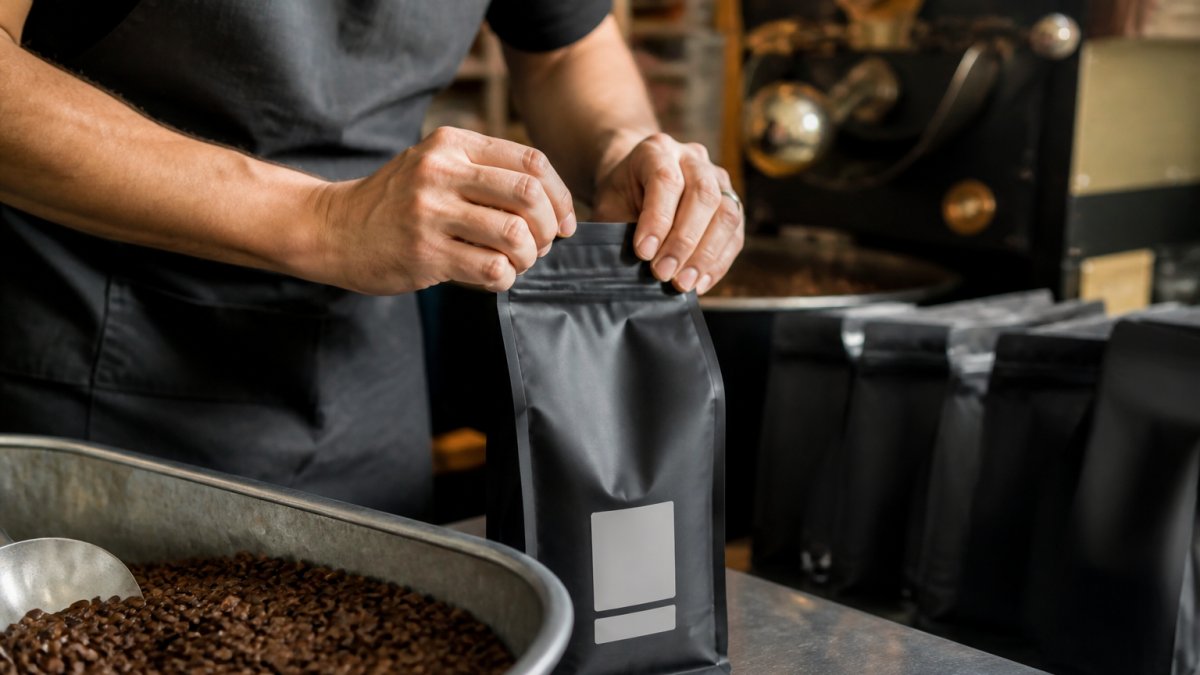
Reputable subscriptions print the roast date on every bag and commit to a specific shipping window. Some post their roast schedule publicly so subscribers know exactly when coffee will be roasted and shipped.
Whole beans peak within 2-4 weeks of roasting. The best coffee subscription for fresh beans ensures you're always buying coffee near its peak, not from a roaster's inventory tail.
Fresh Roasted Coffee Subscription Options by Roast Level
Roast level affects flavor, body, brewing behavior, freshness window, and forgiveness of inconsistent technique. A fresh roasted coffee subscription that lets you choose roast level gives you control over flavor and consistency.
Light Roasts: Origin Clarity and Peak Freshness Window
Light roasts preserve origin characteristics and highlight acidity and floral notes. They peak within 2-3 weeks of roasting and demand faster consumption.
Light roasts work best with pour-over, Chemex, and AeroPress, which extract subtle flavors without over-extracting bitterness. Espresso machines mute the delicate acidity; drip machines and French press over-extract, producing harsh, thin cups.
Light roasts are less forgiving of grind size inconsistency. A burr grinder is essential; blade grinders will disappoint. They're best for subscribers who have dialed in their equipment and technique.
Medium Roasts: Versatility and Broad Freshness Window
Medium roasts balance origin character with body and sweetness. They peak within 3-4 weeks and remain drinkable for 6-8 weeks, ideal for slower consumption or flexible routines.
Medium roasts work across all brewing methods and forgive grind size variation and brewing inconsistency. This versatility makes them the safest choice for experimenters or multi-device owners.
Medium roasts are the workhorse of most subscriptions. If you're new to fresh-bean subscriptions, start with medium.
Medium-Dark and Dark Roasts: Body, Consistency, and Storage Longevity
Medium-dark roasts develop caramel, spice, and chocolate while retaining origin brightness. Dark roasts emphasize body, chocolate, and molasses. Both peak within 3-5 weeks and remain acceptable for 8-12 weeks.
Dark roasts suit infrequent brewers and slow consumers. The extended freshness window lets you buy larger bags or subscribe less often. They forgive brewing inconsistency and lower-quality grinders.
Dark roasts work best in French press and espresso machines. Drip machines often over-extract, producing burnt, ashy flavors; use a coarser grind and shorter brew time to avoid this.
Medium-dark roasts bridge the gap: they suit espresso, French press, and drip machines, and they retain more origin character than full dark roasts. If you're torn between medium and dark, medium-dark is the compromise.
Freshness and Roast Level: The Trade-Off
Light roasts demand faster consumption. Monthly cycles work for 1-2 cups daily; slower consumption requires medium or dark roasts for flexibility.
Choose roast level based on brewing method, consumption rate, and grinder quality. Light roasts demand pour-over/Chemex, fast consumption, and a burr grinder. Dark roasts work anywhere and forgive lower-quality grinders. Medium roasts suit most subscribers.
| Roast Level | Flavor Profile | Peak Freshness Window | Best Brewing Method | Grinder Requirement | Best For |
|---|---|---|---|---|---|
| Light | Bright, fruity, acidic, floral | 2-3 weeks | Pour-over, Chemex, AeroPress | Burr grinder essential | Fast consumption, dialed-in technique |
| Medium | Balanced, sweet, smooth, origin-forward | 3-4 weeks | All methods | Burr grinder recommended | Versatility, experimentation |
| Medium-Dark | Caramel, spice, body, some brightness | 3-5 weeks | Espresso, French press, drip | Burr or blade grinder acceptable | Compromise between brightness and body |
| Dark | Chocolate, molasses, heavy body, low acidity | 3-5 weeks | French press, espresso | Blade grinder acceptable | Slow consumption, forgiving brewing |
Coffee Subscription for Whole Beans vs. Ground
Whole beans stay fresh 2-4 weeks after roasting; ground coffee peaks within 30 minutes of grinding.
Whole beans require a grinder, adding cost and steps. But you control grind size based on brewing method, which changes extraction and flavor.
Ground coffee is convenient but sacrifices freshness. Once ground, oxidation accelerates. A coffee subscription for whole beans preserves flavor longer.
Goodest coffee company ships whole beans with roast dates on the bag.
Espresso Coffee Subscription: Single-Origin Selection
Espresso extracts under pressure, changing how you taste origin and roast level. Single-origin espresso reveals terroir; blends create consistency but lose geographic specificity.
An espresso coffee subscription should offer single-origin options because espresso machines expose the coffee's true character. Costa Rica delivers sweet apple, raisin, and honey from Alajuela.

Guatemala brings dark chocolate, bright fruit, and butterscotch from volcanic loam soil in Antigua. Fully washed and sun-dried, it produces a clean cup without the heaviness of dark roasts.

Peru offers salted caramel, silky sweet, and citrus from the Piura and Amazonas regions. Grown at 1100-1700 meters and gully-washed, it delivers complexity in espresso shots.

Choosing Your Coffee Subscription Frequency and Bag Size
Subscription frequency should match your consumption. Brewing three cups daily means a bag lasts 8-10 days. Brewing once or twice daily means 2-3 weeks. A coffee subscription for fresh beans works best when you receive shipments before the previous bag empties, so the beans stay in their peak window.
Bag size affects both freshness and cost per cup. Smaller bags (8 oz) stay fresher longer but cost more per ounce. Larger bags (12-16 oz) offer better value but require faster consumption to stay fresh. Most subscriptions offer flexibility to pause, skip, or adjust frequency monthly.
The ideal rhythm depends on your brewing method. French press drinkers who make 2-3 cups daily should subscribe biweekly. Pour-over enthusiasts who brew once daily can go monthly. Espresso machine users who pull 1-2 shots daily fit comfortably on a monthly cycle.
| Consumption Level | Recommended Frequency | Bag Size | Peak Freshness Window |
|---|---|---|---|
| 1-2 cups daily | Monthly | 12 oz | Full month |
| 2-3 cups daily | Biweekly | 8-12 oz | 2-3 weeks |
| 3+ cups daily | Weekly | 12-16 oz | 1-2 weeks |
| Occasional brewer | Every 6-8 weeks | 8 oz | Stretches freshness |
How to Evaluate Cost Per Cup and Delivery Freshness
Freshness claims mean nothing without verifiable roast-to-ship timelines. The strongest coffee subscriptions publish their roast schedule and commit to a specific shipping window. When evaluating a subscription, ask three concrete questions:
1. What is the roast-to-ship window?
Most quality roasters ship within 3-7 days of roasting. Some roast on a fixed schedule (e.g., every Monday and Thursday) and post it publicly so you know exactly when your coffee will be roasted and when it will leave the warehouse. Others roast to order, which can extend the window to 5-10 days depending on order volume. A subscription that doesn't disclose this timeline is hiding something.
The roast date printed on the bag is your proof. When your first shipment arrives, check that date immediately. If it's more than 10 days old, the roaster is not optimizing for freshness, they're using a standard inventory model and calling it fresh.
2. What is the expected delivery window from ship date?
Roast date matters, but so does transit time. A bean roasted 5 days ago is only fresh if it arrives within the next 5-9 days. Subscriptions shipping via USPS Priority Mail typically deliver in 2-3 business days for most ZIP codes; UPS Ground can take 3-7 days depending on distance.
Calculate the total timeline: roast date + roaster's processing time + shipping time = age on arrival. If a subscription roasts on Monday and ships Wednesday, and you receive it the following Tuesday, your beans are 8 days old. That's acceptable. If the roast date is 14 days old when it arrives, the subscription failed its freshness promise.
3. How do you normalize cost per cup across bag sizes and consumption rates?
A $24.99 bag is meaningless without knowing bag weight and cups per bag. A 12 oz bag typically yields 40-48 cups (using 0.25-0.3 oz of whole beans per cup, depending on brewing method and grind size). That works out to $0.52-$0.62 per cup of coffee at peak flavor.
Add shipping cost to the equation. A $5 flat-rate shipping charge on a single 12 oz bag adds $0.10-$0.12 per cup. On a 8 oz bag, it adds $0.16-$0.19 per cup. Subscriptions that offer free shipping on orders above a certain threshold (e.g., $50+) incentivize buying multiple bags at once, which can lower per-cup cost but forces you to store more coffee and risk staleness if consumption is slow.
Create a simple comparison: (bag price + shipping) ÷ cups per bag = true cost per cup. This normalizes across different bag sizes and subscription models. A $20 bag with free shipping that yields 48 cups ($0.42 per cup) beats a $18 bag with $6 shipping that yields 32 cups ($0.75 per cup), even though the sticker price is lower.
Freshness-to-cost trade-off:
The cheapest subscription is rarely the freshest. Budget roasters often roast in bulk and hold inventory to reduce per-unit roasting costs, which means beans ship 2-3 weeks after roasting. Premium subscriptions roast smaller batches more frequently and ship faster, which costs more but delivers beans at peak flavor.
Frequently Asked Questions
How fresh are coffee beans when they arrive in a subscription?
Freshness depends on roast-to-ship timing. The best coffee subscriptions roast beans and ship within days, not weeks. Beans peak in flavor 5-30 days after roasting, so a subscription that ships immediately after roasting ensures you receive them during their optimal window. Check the roast date printed on the bag when it arrives, this confirms when the beans were actually roasted, not when they were packaged.
What's the difference between a fresh roasted coffee subscription and buying from a grocery store?
Fresh roasted coffee subscriptions ship beans days after roasting, while grocery store bags may have been roasted weeks or months prior. Grocery store beans lose volatile flavor compounds over time, resulting in a flatter, less vibrant cup. A fresh roasted coffee subscription prioritizes speed from roaster to your door, preserving the brightness and complexity that specialty roasters develop.
Can I pause or skip a coffee subscription delivery if I have too much coffee?
Yes, most quality subscriptions allow you to pause, skip, or adjust frequency without penalty. Before committing, confirm the subscription's pause policy, legitimate services make this simple through your account dashboard. Some subscriptions let you skip individual months, while others allow you to pause for extended periods. Avoid subscriptions that charge cancellation fees or require phone calls to manage your account.
Should I choose whole beans or ground coffee in a subscription?
Whole beans stay fresh longer and let you grind for your specific brewing method, espresso, pour-over, French press, or drip all require different grind sizes. Ground coffee begins losing flavor immediately after grinding and stales faster. If you have a grinder at home, whole-bean subscriptions deliver superior freshness and flavor. Ground coffee only makes sense if you lack grinding equipment or need convenience over peak flavor.
How do I know which roast level and coffee origin to choose?
Start with your brewing method: lighter roasts highlight origin complexity and work well in pour-overs, while darker roasts suit espresso and French press. Single-origin coffees showcase distinct flavor profiles, Ethiopian beans often offer fruity notes, Brazilian beans deliver smooth cocoa tones, and Central American origins balance brightness with body. Many subscriptions provide tasting notes and origin details to guide your choice based on flavor preferences.