

10 Best Coffee Subscriptions for Trying Different Origins
Table of Contents
- Why Coffee Subscriptions Beat the Grocery Aisle for Origin Discovery
- How We Evaluated the Best Single-Origin Coffee Subscription Options
- Quick Comparison: Coffee Subscriptions for Origin Variety
- 1. Goodest Single Origin Favorites Sample Pack: Best for First-Time Origin Explorers
- 2. Goodest Bali Blue: Best for Dark Roast Lovers Chasing Something New
- 3. Goodest Ethiopia Natural: Best for Fruit-Forward Flavor Seekers
- 4. Goodest Colombia: Best Everyday Single-Origin for Balanced Palates
- 5. Goodest Costa Rica: Best for Sweet, Honey-Processed Coffee
- Frequently Asked Questions
Last Updated: October 14, 2026
Why Coffee Subscriptions Beat the Grocery Aisle for Origin Discovery
The average grocery store carries coffee from maybe three or four countries, and most of it was roasted months before it hit the shelf.
Coffee subscriptions solve a specific problem: they put freshly roasted single-origin beans from rotating growing regions on your doorstep without you having to hunt for them.

The difference matters. Blends are built for consistency; single origins are built for discovery.
How We Evaluated the Best Single-Origin Coffee Subscription Options
Most roundups rank subscriptions on vibes. We scored each option on five weighted criteria, then used the same rubric to compare them side by side. The weights reflect what actually matters if your goal is tasting new origins rather than just getting coffee delivered.
Origin Variety and Rotation (30%)
A subscription earns a high score here if it moves you through distinct growing regions over a reasonable window, not just different lots from the same country.
A common pattern among the strongest programs is a rotating single-origin slot that changes every delivery, plus a fixed "house" origin you can fall back on.
Freshness and Roast Date Transparency (20%)
Freshly roasted coffee tastes different from coffee roasted six months ago. We checked whether the roast date is printed on the bag (not just a "best by" date), how many days typically pass between roast and ship, and whether the roaster publishes that window. If a provider won't tell you when the beans were roasted, that's a warning sign.
Flexibility and Cancellation Terms (20%)
Life doesn't run on a fixed schedule. We scored services on whether you can skip a delivery, pause for a set number of weeks, change frequency (weekly, biweekly, monthly), swap the upcoming origin, and cancel online without a phone call or email chain. First-time subscribers get burned most often here, so we weighted it heavily. If pausing requires contacting support, the subscription is working against you.
Delivered Cost and Cost Per Cup (20%)
Headline subscription prices hide the real number. We compared the delivered cost per bag after shipping, then converted that to a cost-per-cup estimate using a standard 18-gram dose for a 12-ounce pour-over. A $22 bag that ships free and yields about 25 cups lands near $0.88 per cup; a $16 bag with $7 shipping and a smaller yield can cost more per cup despite the lower sticker price.
Traceability and Sourcing Detail (10%)
We gave higher marks to listings that name the farm, cooperative, or washing station, plus the variety, elevation, and processing method. Country of origin alone is the floor, not the ceiling. A listing that says "Ethiopia, natural, 1,900 m, heirloom cultivars, Sidama" tells you far more than "Ethiopian blend."
How the Scores Translate to Picks
Each subscription below is rated against this rubric. Where a service wins, we say which criterion it wins on. Where it loses, we say what it costs you. That's the difference between a recommendation and a list.
Quick Comparison: Coffee Subscriptions for Origin Variety
Most comparison tables list a price and call it a day.
| Coffee | Origin | Roast Level | Flavor Direction | Bag Price | Est. Cost Per Cup* |
|---|---|---|---|---|---|
| Single Origin Favorites Sample Pack | 6 origins | Mixed | Variety across regions | $24.99 | ~$1.05 |
| Bali Blue | Indonesia | Medium-dark | Dark chocolate, molasses | $24.99 | ~$0.88 |
| Ethiopia Natural | Ethiopia | Medium-light | Fruity, caramel, chocolate | $24.99 | ~$0.88 |
| Colombia | Colombia | Medium | Orange, berry, chocolate | $24.99 | ~$0.88 |
| Costa Rica | Costa Rica | Medium | Apple, raisin, honey | $24.99 | ~$0.88 |
*Cost per cup assumes an 18-gram dose for a 12-ounce pour-over and a 12-ounce bag yielding roughly 19 to 25 cups depending on brew strength. Sample pack cost per cup reflects the smaller 2-ounce portions.

How to Read This Table for Origin Discovery
The single-origin bags in this lineup each sit in a different growing region, which is the point. If you want to taste the difference between a wet-hulled Indonesian, a natural Ethiopian, a washed Colombian, and a honey-processed Costa Rican, buying them one at a time and brewing them back to back is the fastest way to build a palate. The sample pack compresses that into one shipment.
What the Table Doesn't Show
Two things matter for a subscription that a static table can't capture: how often the origin rotates, and how flexible the delivery schedule is. When you're comparing services, ask the roaster three questions before subscribing:
- How often does the featured single origin change, and can I see the upcoming schedule?
- Is the roast date printed on the bag, and how many days pass between roast and ship?
- Can I skip, pause, change frequency, or cancel online without contacting support?
A Simple Tasting Log to Compare Origins
You don't need a formal cupping setup to compare origins. A notebook with five columns is enough: origin, process, roast level, brew method, and three flavor words. Brew each coffee the same way (same dose, same water temperature, same grind) so the only variable is the bean.
1. Goodest Single Origin Favorites Sample Pack: Best for First-Time Origin Explorers
Our top pick for anyone new to origin discovery is the Single Origin Favorites Sample Pack. It packs six 2-ounce samples from six different growing regions into one box, which is the fastest, lowest-risk way to figure out which origins you actually love before committing to full bags.
What You Get in the Box
The pack includes Brazil Santos, Colombia, Costa Rica, Ethiopia, Honduras, and Tanzania. That spread covers South America, Central America, and Africa in a single shipment, so you can run a genuine taste test across growing regions in a week or two.
- Brazil Santos: medium roast, smooth with cocoa notes
- Colombia: medium roast, dried orange, berry, and chocolate
- Costa Rica: medium roast, sweet apple, raisin, and honey
- Ethiopia: medium-light roast, milk chocolate, fruity, and caramel
- Honduras: medium-dark roast, caramel, spice, and brown sugar
- Tanzania: medium-light roast, pear, floral, jasmine, and strawberry
Pros and Cons
What works: six origins in one box, a low entry price, and enough coffee per sample to brew several cups and form a real opinion.
What doesn't: 2-ounce packs are tasting portions, not a month of daily drinking. If you already know you love a specific origin, buy the full bag instead.
2. Goodest Bali Blue: Best for Dark Roast Lovers Chasing Something New
Bali Blue suits drinkers who default to dark roasts but want to explore beyond the usual. It's a medium-dark Indonesian coffee with dark chocolate, molasses, and brown sugar notes, grown by smallholder farmers in Kintamani at 1,200 to 1,600 meters.
Single Origin Favorites Sample Pack →

Tasting Notes and Brewing Tips
The wet-hulled process gives this coffee a heavy body and low acidity, which holds up well in a French press or moka pot. If you normally drink espresso, try it as a slow pour-over to catch the molasses sweetness.
Pros and Cons
What works: bold, sweet, and forgiving of brewing mistakes. A comfortable bridge for dark roast drinkers.
What doesn't: if you prefer bright, fruity, high-acidity coffees, this will feel flat by comparison.
3. Goodest Ethiopia Natural: Best for Fruit-Forward Flavor Seekers
Ethiopia Natural is the pick for anyone who wants to taste why African coffees get so much attention. It's a medium-light roast from the Sidama Zone, with milk chocolate, fruity, and caramel notes, grown by smallholder farmers at 1,700 to 1,900 meters.
Why Ethiopian Coffee Tastes Different
Ethiopian coffees often use indigenous heirloom cultivars and natural processing, where the fruit dries onto the bean and pushes berry and stone-fruit flavors forward. This one is fully natural, hand-sorted, and dried on raised beds.
Pros and Cons
What works: a genuinely distinctive cup that shows what origin and process can do. Great for pour-over.
What doesn't: natural coffees can be polarizing. If you dislike fruity acidity, start with Colombia instead.
4. Goodest Colombia: Best Everyday Single-Origin for Balanced Palates
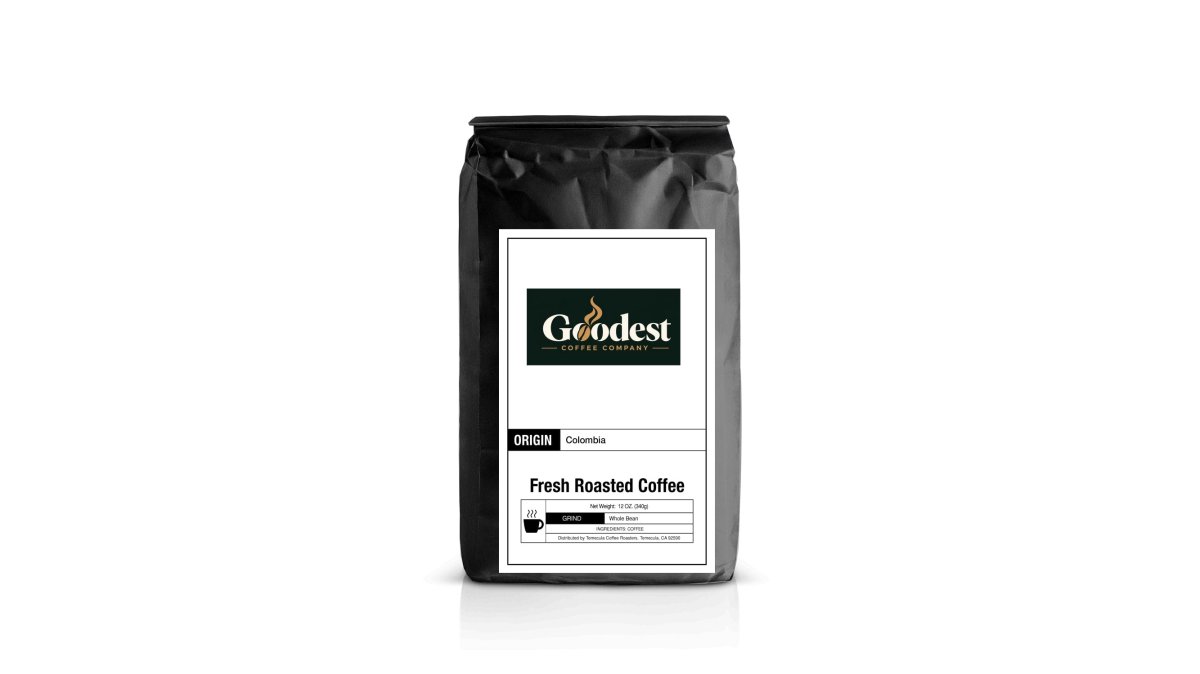
Colombia is the safe, reliable daily drinker in this lineup. It's a medium roast with dried orange, berry, and chocolate notes, grown by smallholder farmers near Medellín at 1,300 to 1,500 meters and fully washed in solar dryers.
Tasting Notes and Brewing Tips
The washed process keeps the cup clean and balanced, which makes it flexible across brew methods. It works in a drip machine, a French press, or as espresso without adjustment.
Pros and Cons
What works: balanced, approachable, and consistent. A strong first single origin if you're unsure where to start.
What doesn't: it won't surprise you the way the Ethiopia or Costa Rica will. That's the trade for reliability.
5. Goodest Costa Rica: Best for Sweet, Honey-Processed Coffee
Costa Rica is for drinkers who want sweetness without added flavor. It's a medium roast with sweet apple, raisin, and honey notes, from micro farms in Alajuela at 1,300 to 1,445 meters, eco-pulped and sun-dried.
What Makes Costa Rican Coffee Special
The eco-pulping process leaves more of the fruit's natural sugars on the bean, which is where that honeyed sweetness comes from. It's a gentler, cleaner sweetness than a natural process delivers.
Pros and Cons
What works: naturally sweet and smooth, with a clean finish. Excellent for cold brew.
What doesn't: subtle flavors can get lost if you brew it too strong or over-extract it.
Frequently Asked Questions
Which single-origin coffee is considered the best?
There is no single best origin because flavor preference is personal. Ethiopian coffees often appeal to fans of fruity, floral cups, while Colombian and Guatemalan beans suit those who prefer chocolate and caramel notes. Brazilian coffees tend to be smooth and nutty. The best approach is to start with a sample pack that includes several origins, taste them side by side, and let your palate decide which region you want to explore further.
How do coffee subscriptions help you discover different origins?
A coffee subscription introduces you to growing regions you might never pick up at a grocery store. Each shipment arrives with tasting notes, roast level, and origin details, so you learn how altitude, processing method, and variety affect flavor. Rotating selections keep your palate engaged and help you identify which regions, such as East Africa or Central America, match your preferences. Over time, you build a mental map of coffee origins without any guesswork.
What should I look for in a single-origin coffee subscription?
Focus on three things: origin variety, roast date transparency, and delivery flexibility. A subscription that lists the exact farm or cooperative, altitude, and processing method gives you more control over what you taste. Check whether you can pause shipments and adjust frequency. Also compare the total cost per cup, including shipping, rather than just the sticker price per bag.
Can I choose the coffee origins in a subscription?
Some subscriptions offer a curated rotation where the roaster picks each shipment, while others let you swap specific coffees before a cutoff date. Sample packs are a low-risk way to test before committing to a full rotation.
How often do coffee subscriptions send new coffees?
Delivery frequency typically ranges from weekly to every six weeks, with monthly being the most common. The right cadence depends on how much coffee you drink. A single 12-ounce bag lasts about two weeks for a two-cup-a-day habit, so monthly shipments may leave you short. If your consumption varies, choose a subscription that lets you pause, skip, or reschedule deliveries without penalties.
The hardest part of exploring origins isn't finding coffee; it's finding a service that rotates fresh single origins without locking you into a rigid schedule. Goodest coffee company solves that with a rotating single-origin lineup, a low-risk Sample Pack that spans six growing regions, and the flexibility to pause or skip when your usage changes. Get started with Goodest coffee company and taste the difference origin makes in your daily cup.